
Secure Long-Term Value With a Pre Drywall Inspection
A pre drywall inspection reframes structures, checks electrical wiring, plumbing rough-ins, and HVAC systems before walls are sealed, thereby identifying issues that could compromise safety and regulatory compliance. Homeowners within Los Angeles County rely on the inspection to establish construction quality, reduce costly fixes and aid in making informed decisions.
What Is a Pre Drywall Inspection?
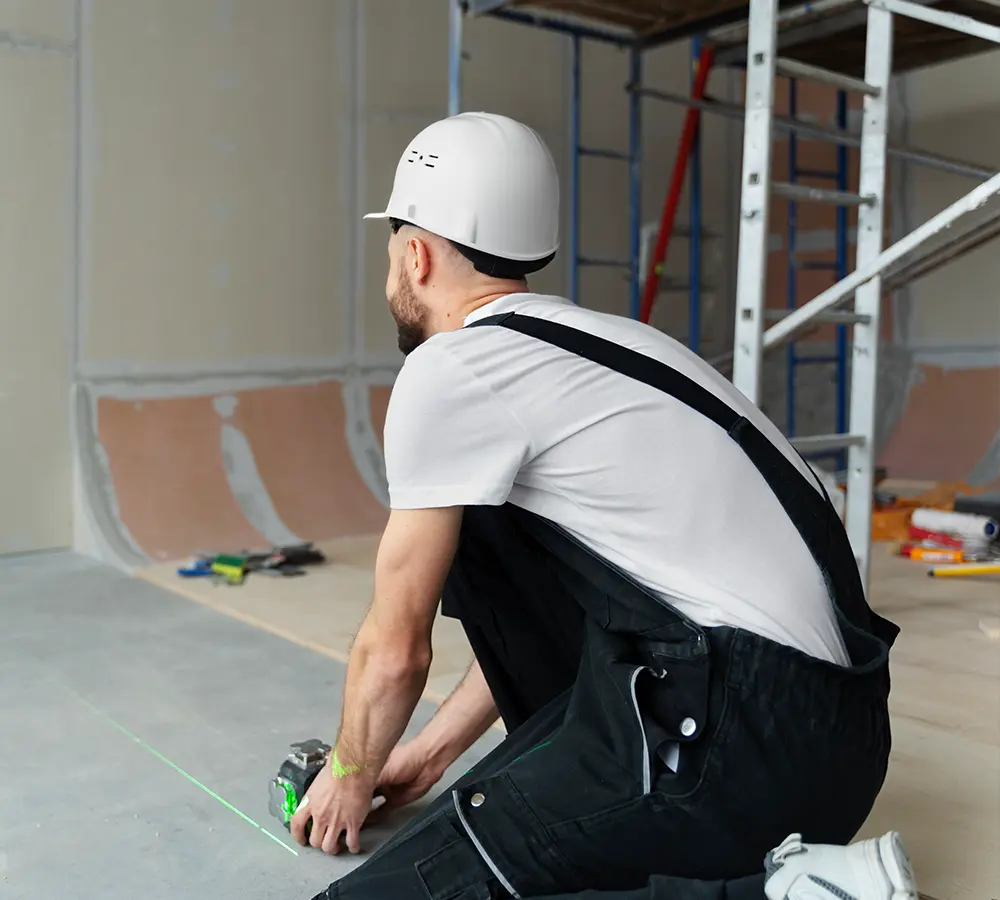
An inspection for pre drywall is an important construction-stage evaluation, conducted before enclosing walls. It frames, supports and ensures that HVAC installations are properly built and aligned with code requirements. A professional drywall inspector conducts the process by examining hidden components in detail to catch potential defects. The assessment provides builders and homeowners with added confidence that the property is moving towards the final phase of drywall.
Benefits of a Pre Drywall Inspection
Discover the key benefits of a pre drywall assessment to ensure quality during construction.
- Detect Issues Early: Identify hidden issues without delays or eventual costly repairs for clients.
- Ensure Quality Construction: Verify that the entire work focuses on establishing building standards regulated under pre drywall inspection in Los Angeles.
- Improved HVAC Systems and Electrical Safety: Making sure core systems are installed with safety and provide efficient performance.
- Gain Peace of Mind with Excellent Customer Service: Flexible and clear communication with reliable support for the assessment process.
- Attention to Detail: Each component reflects reviews to ensure nothing is overlooked.
- Certified professionals: Inspections are carried out by trained professionals who are skilled in their field.
Why Get a Pre Drywall Inspection With Us?
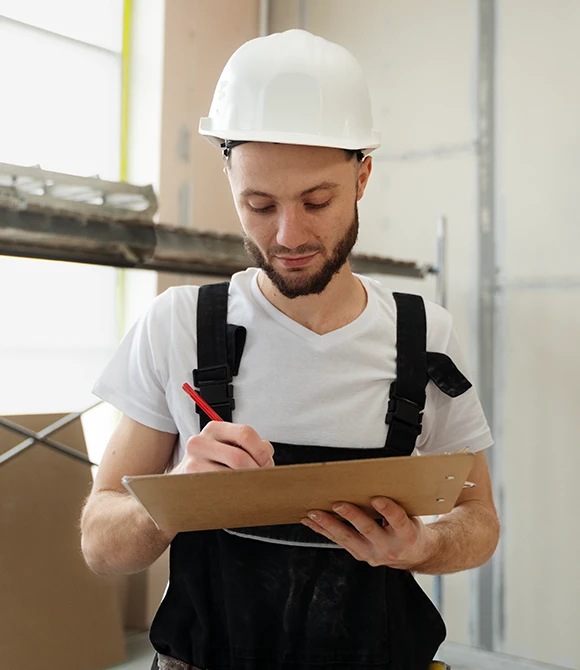
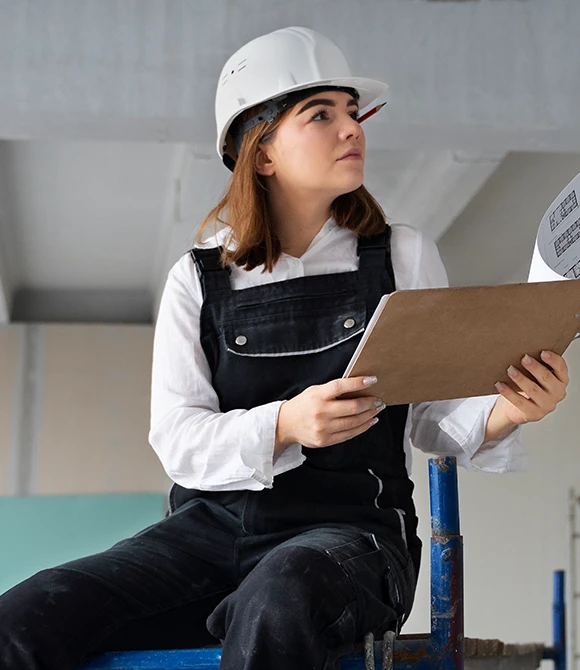
Pre Drywall Evaluation is an essential step within home construction which ensures quality and long-term ease before walls are boarded over.
- To verify framing, plumbing, electrical and HVAC systems are installed accurately.
- Homeowners Constructing a New Home: To verify framing, plumbing, electrical and HVAC systems are installed accurately.
- Be able to gain confidence that your future home is in safe hands as installations are being made correctly.
- Ensuring every critical system inside the walls works properly and is aligned with construction plans.
- To strengthen credibility by identifying issues early on and reducing risks of delays.
Step-by-Step Process to a Pre Drywall Inspection
A clear step-by-step guide to knowing how pre drywall inspection aids in construction.

Schedule Your Inspection and Walk the Property
Book your pre drywall home inspection with us for personal review of property construction.

Comprehensive System Inspection and Detailed Examination
Move towards attaining evaluations on all key systems to ensure code compliance.

Identify Defects & Code Issues
Detect major and minor faults within construction to give a smooth experience.
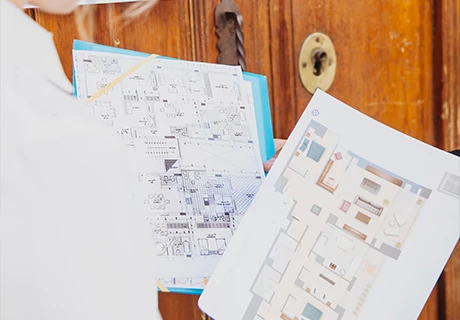
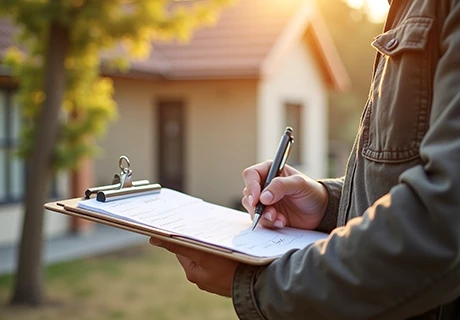
Photo Documentation & Notes with Reports Delivered
Receive photos, documents, and notes on the process.
Review & Next Steps Guidance
Attain walkthrough findings made by our expert team.
What Is Inspected?
Detailed review of the structural components and systems before walls are enclosed.

Foundation and Structural Components
Check for foundational and structural elements to ensure safety and stability of the construction.
Framing and Wall Systems
Inspecting wall systems for alignment and code compliance.
Roof Structure and Covering
Review roof to check durability of frames and coverings.
Electrical Wiring and Panels
Check wiring to detect faults and safe installation.
Plumbing Systems and Connections
Plumbing lines and connections assessed through proper setup and leak-free installation.
HVAC Ductwork and Ventilation
HVAC ductwork evaluated for ventilation and airflow.
Window and Door Installation
Windows to be fully installed and sealed from ends, so they function correctly.

Exterior Wall and Moisture Barriers
Examine exteriors of the home to inspect for moisture and water intrusion.
FAQs on Pre Drywall Inspection
Costs based on home size and location and typically range from a few hundred to a thousand dollars.
Yes, it helps catch hidden issues early, preventing costly repairs, and ensuring quality construction.
It ensures framing, electrical, plumbing, and HVAC work are correctly installed before walls are closed.
An inspector reviews the structure, systems, and installations inside the walls before drywall is applied, documenting any issues found.
No, it is not legally required, but it is highly recommended for quality assurance and protection during construction.
It should be scheduled after rough-in work is complete but before the drywall is installed.