
Ensure Safety and Value with a 4-Point Inspection
A 4-point inspection thoroughly evaluates your home’s roof, plumbing, electrical, and HVAC systems, identifying potential issues that could affect safety or property value. Homeowners in LA County rely on it to protect their homes and make confident decisions about long-term maintenance and planning.

What Is a 4-Point Inspection?
A four point inspection is a focused evaluation of a home’s four critical systems: roof, plumbing, electrical, and HVAC. It uncovers concealed hazards that could lead to costly repairs or safety issues, providing a detailed understanding of the property’s condition. This assessment is particularly valuable for older homes, helping buyers, sellers, and insurers make well-informed decisions with confidence.
Who Should Get It?
Not everyone needs a 4-point inspection, but certain homeowners and buyers can benefit from it more than others.
- Owners of Older Homes: Ensure aging systems are safe, functional, and maintained to prevent costly repairs.
- Home Buyers: Gain confidence in your purchase by understanding potential issues before closing.
- Home Sellers: Provide assurance to buyers and facilitate smoother transactions with a documented inspection report.
- Homeowners Updating Insurance: Meet insurer requirements and secure coverage with an accurate risk assessment.

What Does a 4-Point Inspection Include?
This inspection takes a close look at the four main systems that influence your home’s safety and insurability.

Roof
Certified home inspectors evaluate the condition, age, and structural integrity, checking for leaks or damage that could compromise safety and lead to future issues.
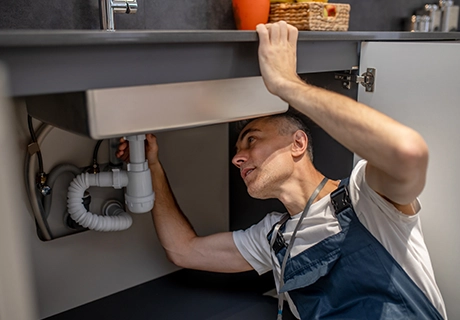
Plumbing
Inspects pipes, fixtures, and drainage systems for leaks, corrosion, or blockages, ensuring water flow is safe and reliable throughout the home.

Electrical
Reviews wiring, panels, outlets, and safety devices to identify hazards, outdated components, or potential fire risks affecting the property’s overall safety.

HVAC
Assesses heating and cooling systems, ductwork, and overall efficiency, highlighting issues that could impact comfort, energy costs, or system longevity.

Why Insurance Companies Require a 4-Point Inspection
Insurance companies request it to gauge the condition of older homes and reduce risk before offering or renewing coverage. It provides a clearer picture of the home’s condition and any problem areas. Key reasons include:
- Risk Assessment: Identify concerns that may lead to future complications for both the homeowner and insurer.
- Policy Approval: Determine eligibility for coverage or renewal.
- Accurate Premiums: Ensure homeowners’ pay rates that reflect the actual condition of the home.
- Loss Prevention: Highlight areas that may need repair or maintenance to prevent future damage.
How the Inspection Works
A 4-point inspection follows a clear, structured process. It is designed to be thorough, efficient, and easy to follow.

Schedule Your Inspection
Pick a convenient time for certified inspectors to visit your home and begin the assessment.

System Evaluation
Inspectors examine the roof, plumbing, electrical, and HVAC systems for safety, functionality, and potential issues.

Document Findings
All observations are recorded with photos, notes, and detailed descriptions for clarity and transparency.

Receive Your Report
Homeowners receive a comprehensive report with recommendations, helping guide repairs, maintenance, or insurance decisions.
Why Choose Us
Backed by years of local expertise, our certified inspectors understand the unique needs of LA County properties. We thoroughly evaluate your roof, plumbing, electrical, and HVAC systems and provide detailed reports that support informed decisions. With a focus on accuracy and fast turnaround, every inspection reinforces confidence in your home’s safety, performance, and long-term value.
FAQs on 4-point inspection
You usually need it when your home reaches 25–30 years of age, when applying for homeowners insurance, or when preparing to sell.
For smaller or standard homes, the process usually lasts 30 to 60 minutes, while larger or more complex properties may require 1 to 2 hours.
The cost typically ranges from $75 to $200 for a standalone 30–60 minute evaluation, depending on the size of the home and its location.
Address visible issues, keep your systems well-maintained, and have documentation ready for any repairs or upgrades.