
Protect Your Home with a Simple Radon Test
Radon testing detects the invisible radioactive gas that enters through small openings and builds up indoors without warning. It is the only reliable way to identify radon and keep your home safe from this leading cause of lung cancer.
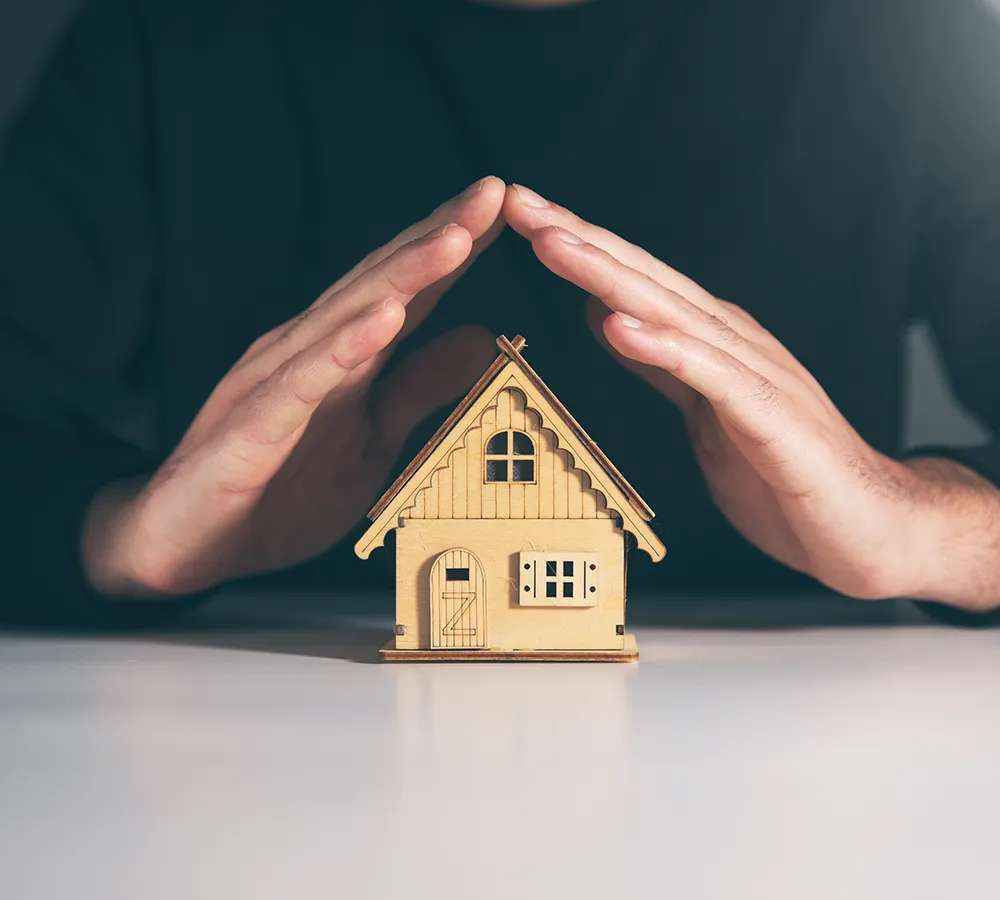
What Is Radon?
Radon is a radioactive gas released from the natural breakdown of uranium in soil and rock. It can enter homes through small cracks, gaps, or foundations, quietly accumulating over time. Because it is invisible and odorless, many homeowners do not realize it is present, yet prolonged exposure can pose serious health risks.
Why Radon Testing Is Important?
Radon can build up indoors without any smell or warning, and testing is the only reliable way to determine if a home has unsafe levels that could affect long-term health.
- Radon cannot be seen or smelled, so testing is the only dependable way to detect elevated levels inside a home.
- Radon health risks are significant, as exposure increases the likelihood of lung cancer and accounts for thousands of deaths annually.
- It can move through tiny openings in a property and build up indoors at concentrations that pose a serious health concern, adding to the well-documented dangers of radon in enclosed spaces.
- Testing during a home inspection provides essential information for decisions about safety and potential mitigation needs.
- High radon levels often go unnoticed for years, making early testing an important step in reducing long-term exposure.
- Public health agencies recommend regular testing as a basic safety measure for every home, especially before buying or selling.
- When elevated levels are found, mitigation systems can reduce radon effectively and improve long-term indoor air safety.
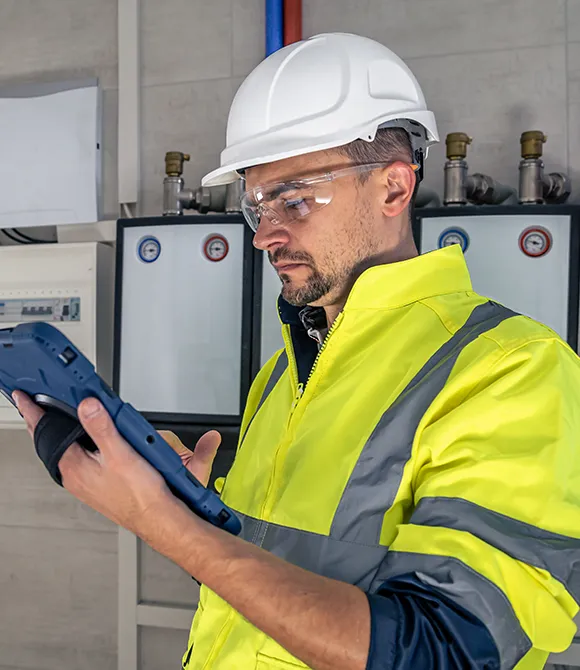

Why Get a Radon Test With Us?
Our team provides accurate radon testing as part of a comprehensive home inspection, giving you reliable insight into the air you breathe and helping you identify potential issues that may affect your home or health. You receive precise measurements, clear explanations, and guidance from inspectors familiar with the unique needs of homes across Los Angeles County. We aim to make the entire process simple, informative, and stress-free, so you can make confident decisions with trusted professionals by your side.
- Certified Inspectors
- Accurate Testing
- Clear Reports
- Fast Scheduling
- Local Experience
- Thorough Inspections
How Is a Radon Test Performed?
A radon test follows a clear and structured method that ensures accurate readings of indoor radon levels during a home inspection.
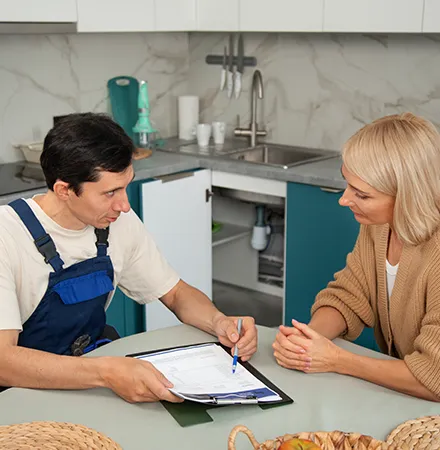
Initial Consultation
The inspector explains the radon inspection process, reviews the layout of the home, and identifies the best area for testing based on EPA guidelines.
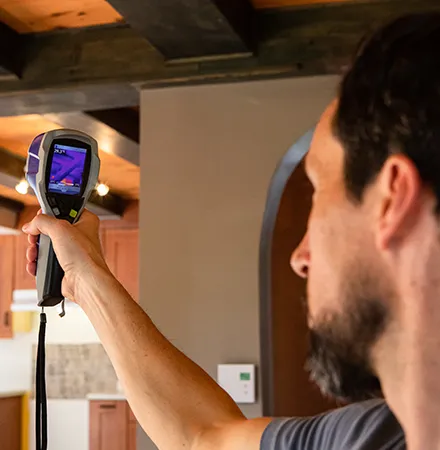
Placement of Testing Device
A testing device is set in the lowest livable area of the home, positioned at the correct height and location for reliable measurements.
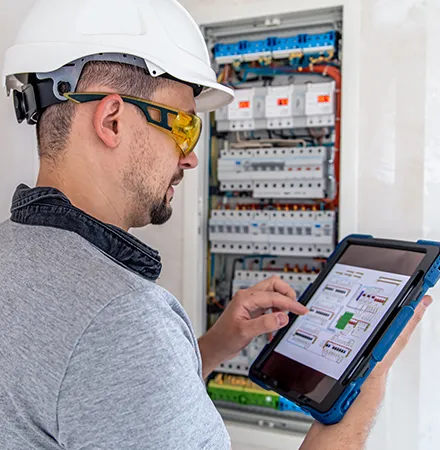
48-Hour Testing
The device remains undisturbed for the required testing period, which may be 48 hours or longer depending on the method used.
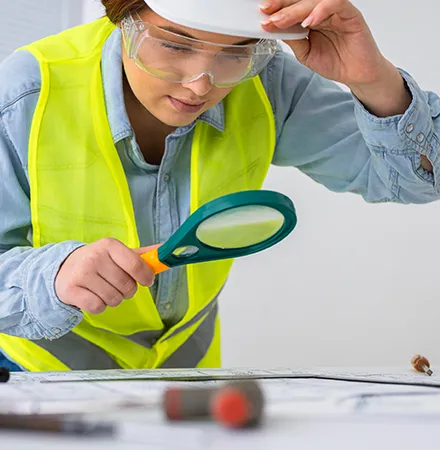
Lab Analysis
Once the test ends, the device is sent to a certified laboratory for analysis, ensuring accurate radon level readings.
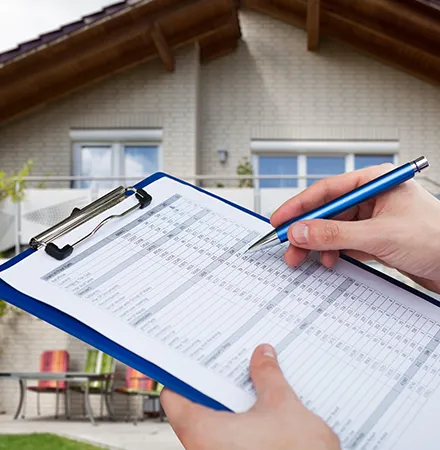
Report + Recommendations
At the end, you receive a clear report explaining the results, along with guidance on next steps for mitigation if elevated levels are found.
Types of Radon Testing
Different testing methods help measure indoor radon levels accurately over short and long periods, giving homeowners reliable insight into their air quality.

Short-Term Testing
Short-term testing uses a device to measure radon levels over a period of 2 to 90 days, providing quick results for immediate assessment.

Long-Term Testing
This method runs for more than 90 days and gives a clearer picture of year-round radon exposure inside the home.

Continuous Radon Monitoring
Continuous radon monitoring uses an electronic device to record levels every hour, providing detailed insights into how radon fluctuates over time.
FAQs on Radon Inspection
Most tests take 48–72 hours and provide a clear reading of radon levels in your home.
Radon test pricing varies, and many homeowners choose an option that suits their inspection budget.
Testing is recommended regularly, especially after renovations or any changes that could affect radon gas levels in your home.
Requirements vary by location, but many sellers complete radon testing in Los Angeles to ensure a safe and confident transaction.
Buyers often request radon testing services to confirm a property’s indoor air safety before closing.
It’s not always mandatory, but inspectors commonly include testing to verify safe radon levels indoors.