
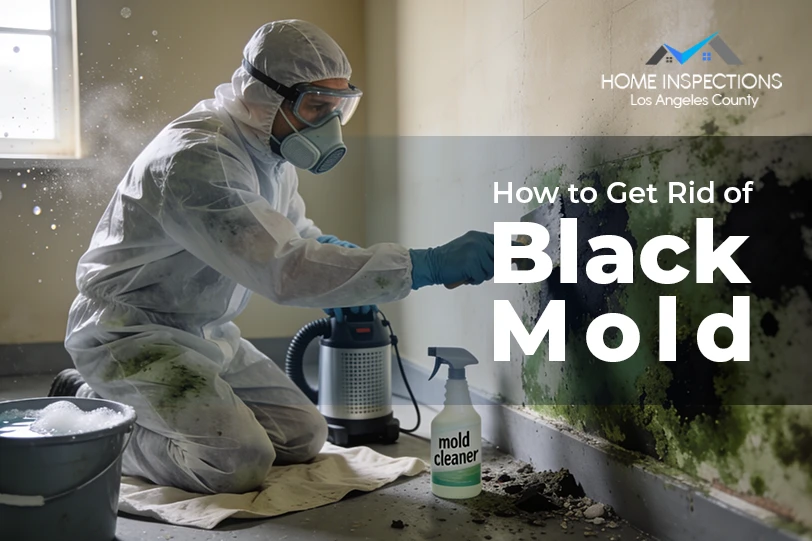
The health of your house is dependent upon the air quality. Black Mold sneaks up in your home without your knowing, and grows in dark areas. If there is moisture within the home, it can increase the pace at which black mold grows. By the time you see it, it has already led to costly damages.
Formed through spores, it grows in moisture and warmth. It clings to walls and ceilings and includes common spots such as water-damaged drywall and wood. Black Mold removal becomes a task and requires an inspection team. Fixing leaks and making the space less friendly for mold is super important, along with the actual cleaning.
Mold vs. Mildew: What’s the Difference?
Homeowners end up using the terms mold and mildew interchangeably; however, they end up representing different stages and types of fungal growth. Mildew could be defined as the stage where thin coating on damp surfaces appears and is found in bathrooms, laundry rooms, as well as window frames.
Mold, on the other hand, is very aggressive in nature. Instead of remaining on the surface, it spreads faster, taking building material and weakening it. As it grows beneath the surface, it is difficult to catch it at an early stage. Moreover, mold can penetrate deeper than mildew; it often requires more extensive treatment and monitoring to ensure complete removal, often discovered during a full home inspection.
How to Identify Black Mold?
Visual Clues
Black mold ends up presenting itself as irregular spots, clusters, or dark stains that could become detrimental over time. Surfaces that have been exposed to moisture for a long time end up showing discoloration and eventually the mold takes over. To get rid of black mold it is essential to conduct timely inspections.
Non-Visual Clues
Often, visible growth isn’t the first clue. Mostly, this is spotted when people start experiencing a foul smell. The rooms are damp, and the regular cleaning will not aid in reducing the mold.
Common Problem Areas
Mold mostly sits in damp spots, and thus grows under the sinks, in water heaters, and even near the HVAC systems that are placed to maintain the humidity of the place. Eventually, this grows and forms black mold that requires costly repair.
Why Professional Mold Inspection Matters?
Not every mold problem is visible at first glance. Professionals use special tools to find moisture and hidden growth behind walls and such. So while some areas are obvious, mold could be hiding where you can’t see it.
A comprehensive inspection can provide valuable information about:
- Areas where moisture is accumulating
- Potential sources of water intrusion
- The extent of mold growth throughout the property
- Conditions that contribute to recurring infestations
- Whether remediation is necessary
Black Mold removal services are particularly useful when mold repeatedly returns despite cleaning efforts. Identifying underlying causes allows homeowners to implement effective long-term solutions rather than temporary fixes.
Mold Inspection in Los Angeles: What Homeowners Should Know
In areas hit by coastal air and seasonal humidity swings, along with old pipes and structures, homes might deal with more moisture troubles. Mold Remediation in Los Angeles becomes essential due to the weather in LA. Getting early checks helps catch problems before big fix-ups are needed through home inspection in Los Angeles.
How to Get Rid of Black Mold?
Fixing the Moisture
To get rid of mold, you first have to find where the moisture is coming from because without it, mold can’t grow. It might be from a leaky roof, wet basement, or even high humidity. Figuring out and fixing that issue is crucial; otherwise, your mold problems will just keep coming back.
Getting Rid of Contaminated Materials
When you’ve got a serious mold situation, some materials are basically unsalvageable. Drywall, carpets, insulation – if they’re thoroughly infested, it’s best to ditch them. You don’t want to leave any spots for the mold to start growing again. This is esepcially true in the case of LA due to the weather, which poses the need for mold remediation in Los Angeles.
Protecting Yourself While Cleaning
It’s important to stay safe while cleaning things up too. Wearing the right gear, like masks and goggles, protects you from breathing in or touching tons of mold spores. When the air’s full of this stuff, you want to cover up good.
Drying the Place
After you clean up, make sure everything’s dry. This is key to stopping mold in its tracks. Equipment that pulls moisture out, like dehumidifiers, can be a big help here. Also, making sure air flows well in these areas stops fungi from getting comfy again.
Black Mold Removal Service Cost: What to Expect
The black mold removal cost could significantly vary depending on the area.
Area Size Estimated Cost Range
- Small (under 10 sq. ft.) $150 – $500
- Medium (10–100 sq. ft.) $500 – $3,000
- Large (100+ sq. ft.) $3,000 – $10,000+
Why is Black Mold Harmful to Your Home and Health?
Respiratory Issues
The black mold disrupts your breathing. You can initially start coughing and eventually be out of cough.
Allergic Reactions
Allergic reactions could also be a by-product of black mold formation. It can be in the form of itchy eyes and a runny nose which could eventually cause coughing.
Skin and Eye Irritation
Your skin and eyes are the first to get effected by such an environment. For those with sensitive skin could be significantly impacted with it. While your eyes could turn red.
Vulnerable Individuals and the Risks
People of a certain age; mostly children and old individuals are the most impacted by black mold. Mainly because their immune system is significantly weak.
Structural Damage
Don’t neglect your home when thinking about mold. It damages organic materials, wrecking building stuff in the process. From walls to ceilings, and even floors, everything can suffer if the mold takes over and isn’t handled, often increasing home inspection cost significantly.
Prevention to Curb Mold Formation
Stopping mold isn’t hard; just keep the moisture under control. Regular checks and upkeep work effectively to stop future issues.
- Monitoring the Indoor humidity
- Making sure no plumbing issues are present
- The drainage system should be maintained
- Make sure airflow curbs moisture formation
- Look out for any spills and leaks
- Schedule routinely inspections
Tips to Ensure Prevention in Specific Areas
Ceilings: Investigate water stains promptly rather than waiting for visible mold to appear. Even small leaks can create hidden growth behind painted surfaces.
Dishwashers: Inspect hoses, drainage components, and seals regularly. Moisture trapped around these areas can encourage fungal growth.
Showers: Remove excess water after use and keep shower enclosures well-ventilated to reduce lingering humidity.
Bathroom: Consider moisture-resistant materials and maintain consistent airflow to prevent condensation from accumulating on surfaces.
Frequently Asked Questions
What kills black mold instantly?
Many cleaning products can destroy mold on contact, but eliminating visible growth alone does not solve the underlying moisture problem. Long-term success depends on addressing both contamination and environmental conditions.
How can I prevent mold growth after remediation?
Maintain proper ventilation, control humidity, perform regular inspections, and repair leaks quickly to reduce the likelihood of future infestations.
Does homeowners’ insurance cover mold removal?
Coverage depends on policy terms and the source of the damage. Some situations may qualify for coverage, while others may be excluded.
How to battle mold and mildew at home?
Routine maintenance, moisture management, and prompt attention to water damage remain the most effective defenses against fungal growth.
How damaging is mold illness to your health?
The effects vary based on individual sensitivity, exposure duration, and environmental conditions. Some people experience mild symptoms, while others may face more significant challenges.
How to get rid of the mold on the ceiling of the bathroom?
Identify the source of excess moisture, clean affected areas appropriately, improve airflow, and monitor the ceiling regularly to ensure the issue does not return.